
There is a bias in the tutoring world that weekly lessons are the only way for meaningful learning to occur. While routines certainly allow predictability and help children to trust what’s coming up next in their weekly schedule, lessons arranged once per month or special interest "pop-up" classes have learning benefits, too. Here are 3 reasons why "pop-up" classes can be an effective method of study and learning experience, including as a lighter load for parent wallets, supporting learners with complex needs, and providing children with opportunities to deeply explore materials and the world around them for many hours, uninterrupted.
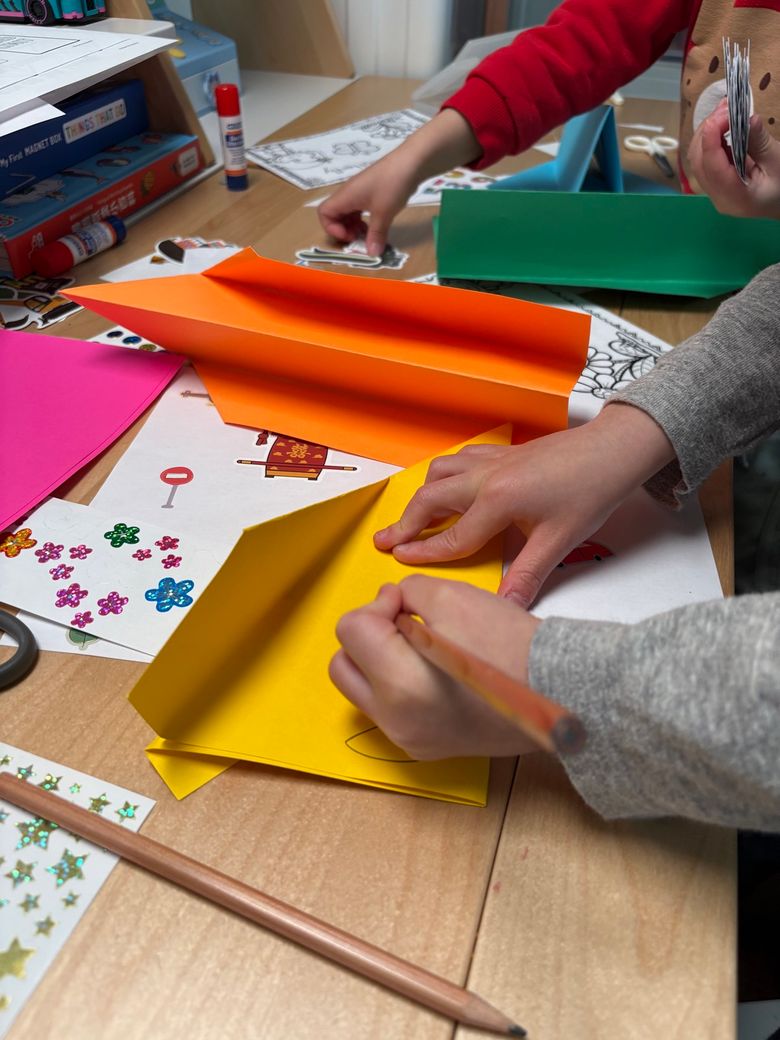
But first, what is a “pop-up” class?
I got the idea for a pop-up class from my dear friend and fellow Early Childhood Educator (ECE), Chenying Wang, whom I met during my graduate studies at the University of British Columbia (UBC). She has been teaching with the Waldorf School in Chongqing, China for the past year, doing incredible work with the children there using project-based learning. Chenying mentioned that pop-up classes can just be like a workshop for children, where they get to engage deeply with a topic for a few hours in much the same way grownups do when they attend professional development, seminars, or conference sessions. Children can learn so much in such a short amount of time from this teaching method! Research led in Australia with pre-service educators where "pop-up loose parts playgrounds" were free to attend in the local park has shown similar success. Authors Kym Simoncini and Michelle Lasen (2021) write: "The experiential nature of the service learning, including a structured reflective component, deepened the learning." In the pop-up classes I’ve run as an educator, I have seen children engaged for hours at a time, barely coming up for a breath until we are finally on public transit on our way back home, when one of them realizes out loud, "I’m tired!"
Pop-up classes can take place indoors or outdoors, during field trips, or as community outings. They might focus on creating art or conducting science experiments. A pop-up class can also help high school students improve their study habits, such as preparing for a trigonometry exam. This environment welcomes all kinds of learning. The success of a pop-up class comes from its temporary and structured nature. The goal is to provide an experience of learning that is hands-on rather than just theoretical. For instance, in Simoncini and Lasen’s research, children used loose parts, allowing them to guide their own learning as pre-service educators stepped back and encouraged play. In this playful setting, learning took place.
In addition to pop-up classes being an exceptional avenue for children’s right to play, here are 3 reasons why pop-up classes are an excellent reason to hire a tutor who offers this learning format. (Like me!)
Affordability
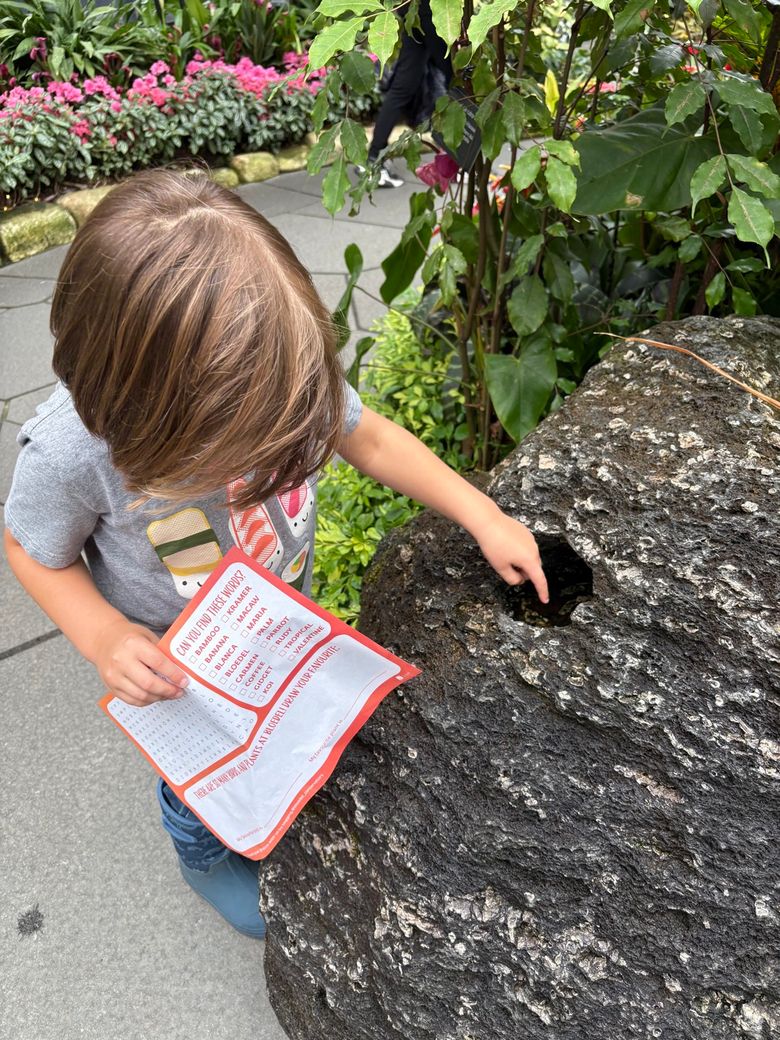
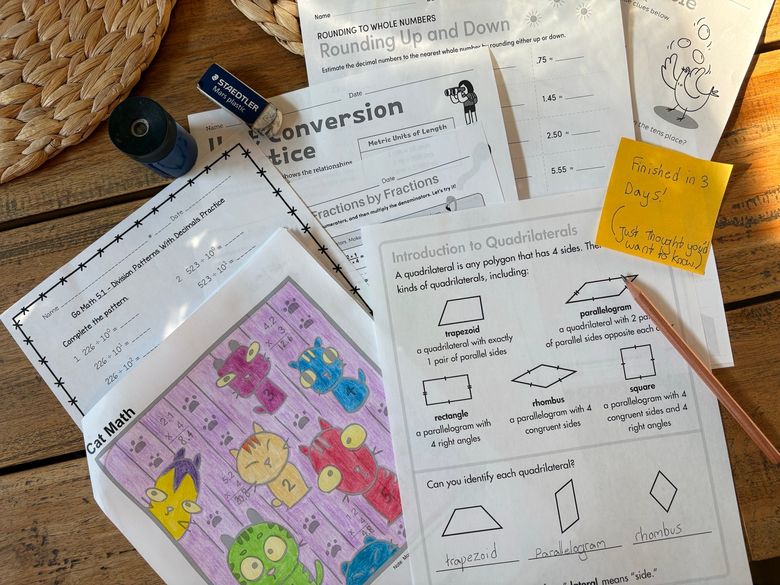
Child care and tutoring are expensive, especially with the rising cost of living. A pop-up class is a one-time cost rather than a repeated weekly charge. A pop-up class can happen as often as your family’s budget allows! Once per month, once every three months … You and the tutor decide on the length of time for the children involved and the activities that are planned during the class time. For example, math worksheets can be completed at home at the start of the pop-up class before heading out into the community, where children can then put their math skills into real-world application.
Some examples of math learned during community outings pop-up classes could include checking Google Maps for bus timing and schedules, having a certain amount of money to spend at the grocery store, or taking a specific number of photos while on the adventure. A pop-up class could be entirely focused on making a craft together or some kind of art, or having a dedicated study session for a social studies unit at school. You pay for the concentrated learning experience during a specific time frame, which allows children exciting new experiences that are just as effective, engaging and impactful as weekly lessons can be, for a lower cost.
Accessibility
The great thing about pop-up classes is that they can be customized to your children’s special interests while expanding their repertoire and awareness of the topic. As well, community outings help support safety skills within the neighbourhood, helping children gain the capacity for navigating the streets and vehicle patterns around the places that they live. If the relationship still has to be built between the educator and the children, home-based pop-up classes are also an option.
The location, length of time, frequency, and materials can all be determined ahead of the pop-up class, making it a more accessible form of tutoring than weekly lessons, which is also more supportive of children with diverse learning profiles.
Novelty
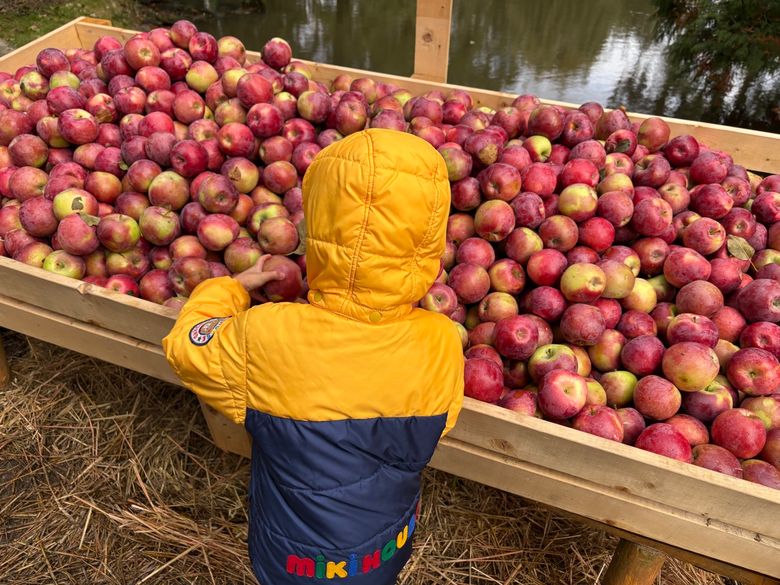
Learning is fun! Even studying Shakespeare – I mean, especially studying Shakespeare – is fun! A pop-up class prioritizes novelty in learning experiences. Since the classes are less frequent, learning is maximized by the newness of the lessons rather than by their routine (both methods have their time and place and learning style). Compared to one-hour weekly scheduled lessons, pop-up classes give children a chance to engage with materials and concepts for longer periods of time. Pop-up classes, due to their exploratory nature, communicate through their structure and delivery that learning is embedded in real life as it unfolds, rather than solely being relegated to worksheets and tabletop work (which are important, but not the only way to think about concepts and develop skills). Children retain more information, and the learning becomes embodied, when academic concepts are woven into play-based pop-up classes that focus on learning or experiencing something new.
Pop-up classes create memorable learning experiences, building real-world associations in children’s minds for the concepts being explored. While regularly scheduled lessons are one type of learning that can improve children’s study habits over time, monthly or infrequent pop-up classes contribute to cognitive and social-emotional development in important ways too. By saving parents some money, providing longer chunks of time for exploration of materials to suit all learner needs, and exposing children to new experiences, pop-up classes are an excellent form of tutoring and child care that puts the magic back into learning.
To book a pop-up class with Teacher Cayley today, get in touch!