
Documenting children’s learning is both an important and time-consuming part of the work performed by Early Childhood Educators (ECEs). Usually, educators are the ones who decide which moments in children’s days are worth capturing and displaying; adults are the ones taking photos of children’s activities and projects, and deciding which images to then share with parents and family members. However, when children are given the camera instead, documentation can become a more collaborative and meaningful experience for everyone. This child-led approach to documentation allows children’s photography to spark conversations and reflections that they lead themselves (Probine, 2026, p. 6). Educators benefit from this shift in children’s participation since children’s perspectives are more authentically represented by their own photography and explanations of their documentation choices. Plus, it’s fun to take pictures!

Introducing photography to young children
Now I’m not advocating for educators to share their smartphones with the children in their care – that’s too personal and often too expensive an ask. Many children somehow have fingers that are simultaneously both sticky and slippery, with developing fine motor skills that make the tendency to drop and break things quite high. I consider my iPhone far too precious to pass it around a classroom of 16 or more preschoolers. Less costly, child-friendly methods of photography such as disposable cameras, Polaroids or Instax film cameras, digital cameras, or older, donated smartphones from parents or community members are other ways to include children in photography as documentation without relying on educator’s personal devices. Even a vintage film camera in working or non-working condition could be shared, although introducing such an object would be a special treat once respect for physical cameras are established. If it’s in the budget, some daycares may even have iPads available for children’s to use independently too.
Some children may be confused how to use film cameras, or even other types of digital photographic tools not attached to an iPad or smartphone. After all, children are now growing up in a world where iPhones and Android devices are the main type photography they access and witness being used to capture special moments. However, research suggests that exposing children to different forms of photography is actually a great avenue for learning: "The main benefit of using the photographic method was that the children enjoyed taking the photographs and learning how to use a camera … It was something novel and different for them to do, so was a fun way for them to express themselves" (Punch, 2002, p. 16). Introducing a new type of camera or style of photography for children to experiment with on their own can spark rich conversations between children, educators, and family members about the purpose and creativity of photography in ECE – not just for documentation purpose, but also for art-making.
Here are 3 easy ways to include children’s photography into ECE documentation and pedagogical narration practices.
1. Bring the camera on community walks
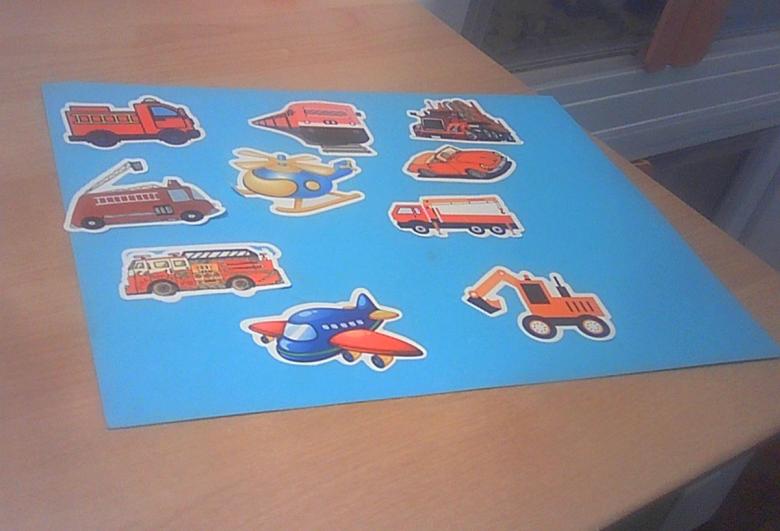
I have had beautiful success using digital cameras with young children while acquainting them with their neighbourhood and community, either on walks to take transit rides or through "child-led tours" (Clark, 2010, p. 117) of a local area. Many research studies with young children suggest letting children take cameras home overnight to achieve similar insights into their world (Einarsdottir, 2005; Probine, 2026). Even toddlers can be involved in photo documentation (Rayna & Garnier, 2021)!
I use a cheap, rechargeable digital camera that is perfect for little hands to grasp, with limited buttons and device functions that barely require adult-intervention for the photo to be taken. The major takeaway for me, as an educator, is that children snap images that are uniquely different from the photos that I prefer to take; there are always interesting angles, colours, textures, and focal points in children’s images from the content that I normally consider for documentation or even artistic purposes. The magic of handing children the camera lies in granting adults the opportunity to "understand children’s world from their perspectives and take a child-centred approach toward technology integration" (Ching, Wang, Shih, & Kedem, 2006, p. 367). Bringing the camera along on outdoor experiences gives children a literal lens through which to view the world around them, with the prompt that they can photograph whatever they see that is of interest to them. In my experience, the camera keeps children thoughtful and engaged in their surroundings. As their teacher, the photo-taking activity provides me with the added benefit of noticing new things of importance to them, too!
2. Have conversations with children about their photography
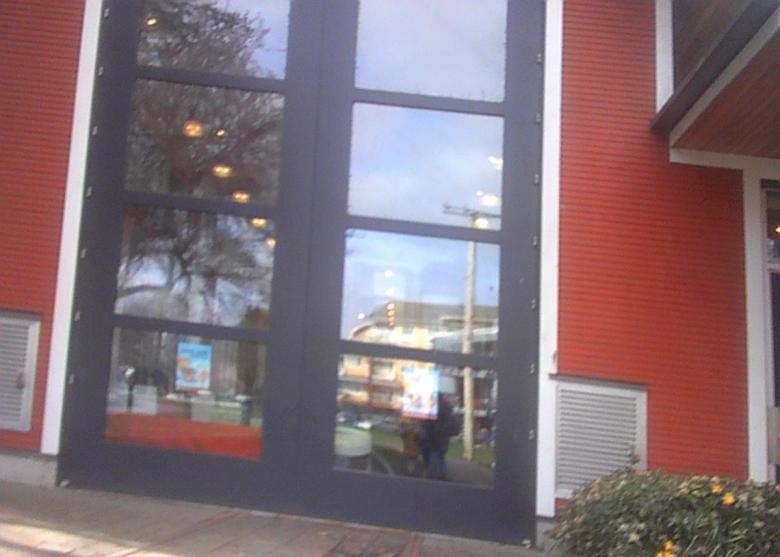
After a fun day of exploring the local park or beach, taking transit to a new area of the city, or spending the day at the science centre – even just walking around the block on a hot summer day – I like to develop the images that were taken into hard copies. I share these hard copies with the children who took the photos. Educators can just as easily project the digital images onto a screen ahead of ordering physical prints (Clark, 2010). Ideally, the printed or displayed images would lead to an exciting conversation with the children about their intention (if any) behind the images.
This discussion about children’s photography with child photographers themselves is an essential part of the documentation process, where educators are given the gift of "children describing their own reasons for taking the photographs" (Punch, 2002, p. 17). Based on FLIGHT, Alberta’s Early Learning and Care Framework (2014), bringing children into the discussion about their own documentation process is "a democratic process whereby value is placed on many perspectives that contribute to a broader understanding of what may be happening for children, families, and the early childhood community" (p. 145). The reason for the image may not be immediately evident to the educator; children may be taking photos of objects, colours, textures, places, people, light or shadow, etc. that adults do not necessarily notice or appreciate. This dialogical process about the photography positions children as "experts in their own lives" (Clark, 2005, p. 45). It is our job as educators to listen to children’s explanations of their photography so that we may better understand and learn from their perspectives, leading to more accurate documentation.

3. Share children’s photographs with their families and community
One of the most exciting aspects of children’s photography is the moment when it is shared as documentation with parents, family members, and other people in the children’s lives. By showcasing children’s photography in a public way, children’s creativity and their interpretation of the world around them are situated as important, relevant, and worthy of attention and conversation within the communities to which they belong. Educators will see the pride children feel to have their photos displayed and discussed as real contributions to the learning process and classroom environment.
There are a number of ways to present children’s photography as documentation. As previously mentioned, because I like to print the photographs into physical copies, I can then display them on board in the classroom with children’s quotes underneath to provide context for viewers. I also enjoy compiling the images into both analog and digital photo albums for children to keep. Once time has passed, printed photos could be laminated and passed around during circle or carpet time, encouraging reflection and ongoing narration by the children on experiences or events that otherwise may have slipped their recent memory. Images could be placed near the art corner as provocations for artwork and design. Depending on the technology available, digital photo journals are another strategy for continuing engagement with children’s photographic work (Ching, Wang, Shih, & Kedem, 2006), or using a projector in a classroom along with light and shadow play can promote further exploration of the images at different sizes and transparencies.
Empowering children as photographers
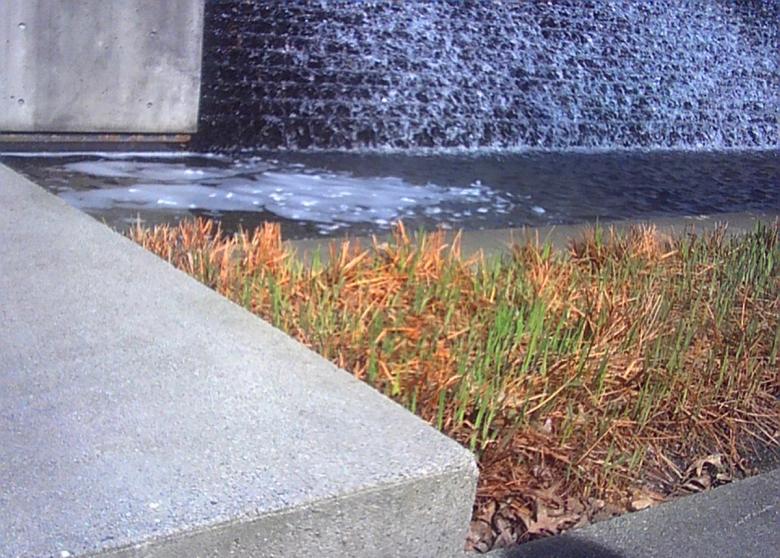
Children’s photography as documentation possesses "a fundamentally relational dimension" (Rayna & Garnier, 2021, p. 318) that offers child care communities the opportunity to centre children’s perspectives in an adult-centric world. Today, we have many types of cameras and devices, so giving children access to these tools lets them document what matters to them. Still, teachers should remember that children might take photos similar to those they have seen adults or friends take (Punch, 2002, p. 17). It is also important to consider the type of camera being used with children. The kind of camera also matters, since research suggests that children may take different photos with disposable cameras compared to digital ones, since the number of pictures they can take is different.

Although adults usually decide what to record and display in ECE spaces, giving children the opportunity to use cameras makes the documentation process more collaborative and meaningful, opening up greater avenues for multi-generational and community-based conversations and self-reflection. By placing the camera or the iPad in children’s hands, we are inviting them to participate in a documentation practice that is fun and relevant to their lives while also centring their unique perspective on the world. Say cheese!